

SINOTRUK HOWO


en

As China–Uzbekistan TIR Lanes Multiply, HOWO Electric Trucks Begin to Enter the Fleet Conversation
The China–Uzbekistan trucking corridor is no longer a single-route experiment. In late April 2026, a TIR truck operated by a Yiwu-based logistics company departed Zhejiang for Uzbekistan via the Irkeshtam port in Xinjiang, marking the city’s first direct road freight route to the country. Days earlier, China completed its first intermodal TIR shipment—car parts moved by rail from Xi’an to Kashgar, then by truck through Irkeshtam to Jizzakh, Uzbekistan. Yiwu alone now operates eight TIR routes through seven border ports, reaching major markets across Central Asia and Europe. For shippers and fleets watching the china-uzbekistan trucking lane, the infrastructure question is largely settled: multiple gateways, simplified customs, and door-to-door transit times measured in days rather than weeks.
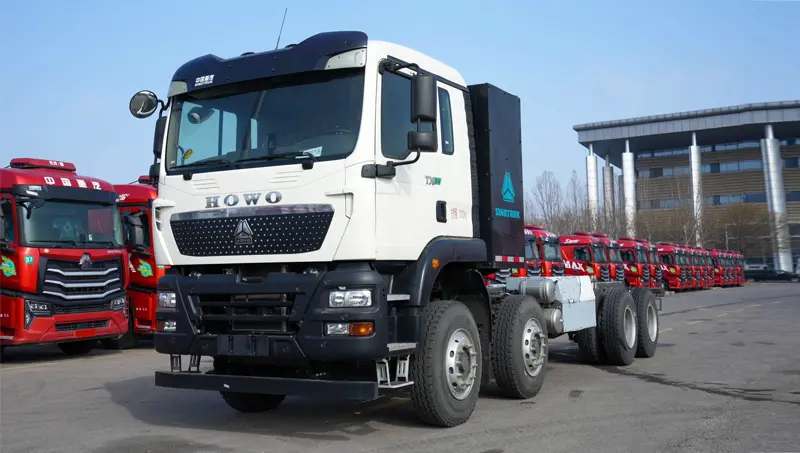
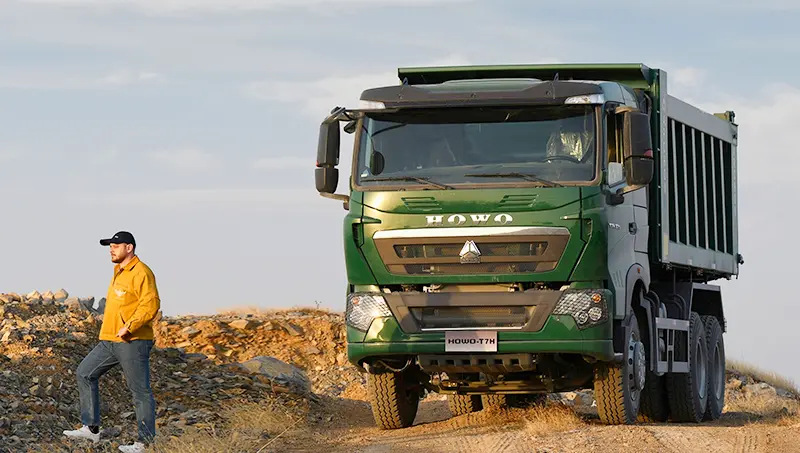
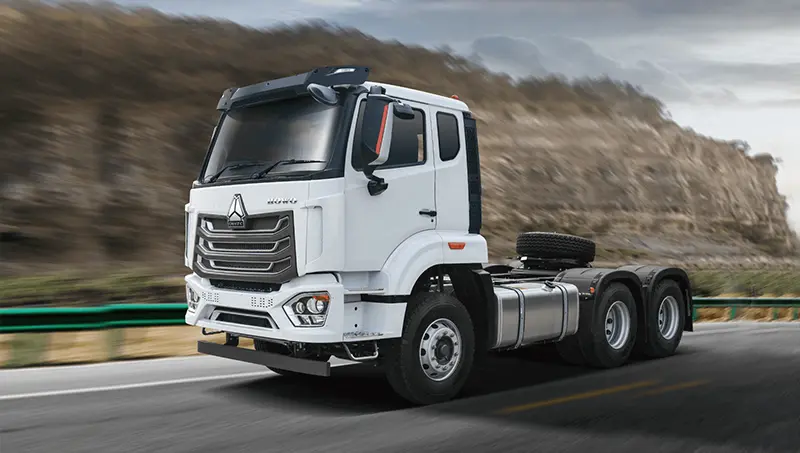
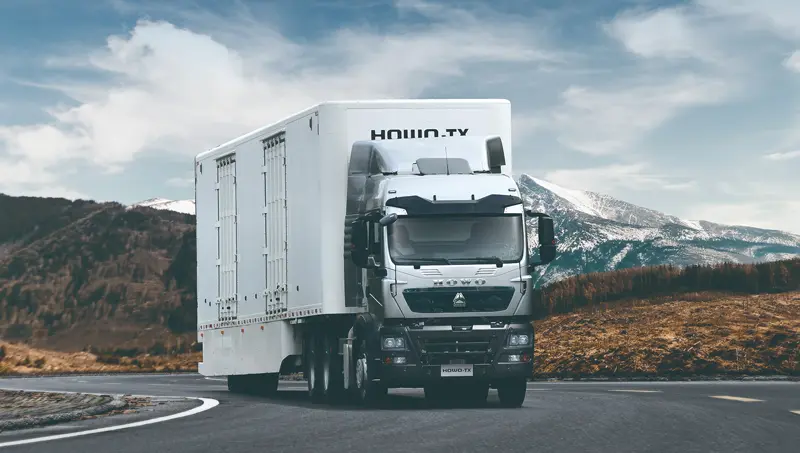
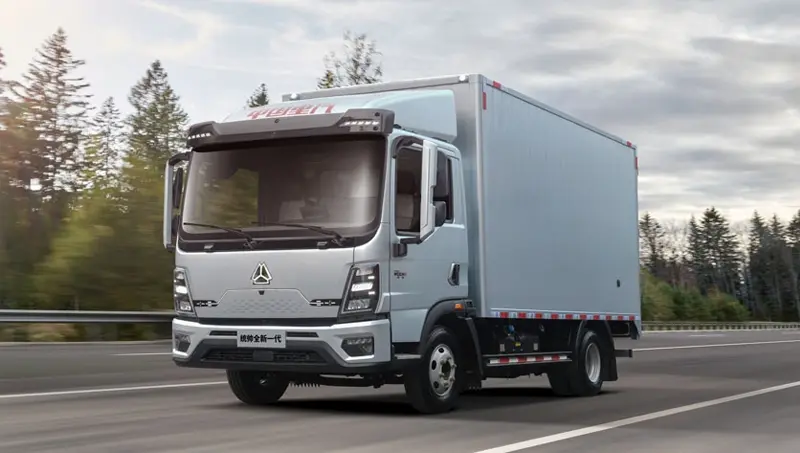
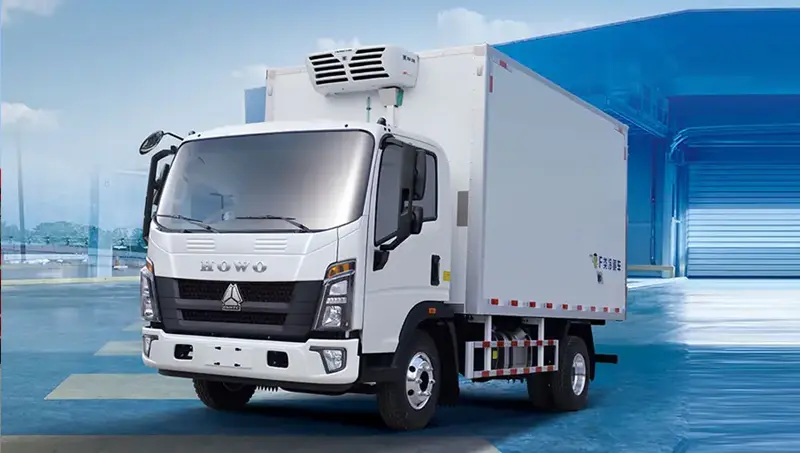
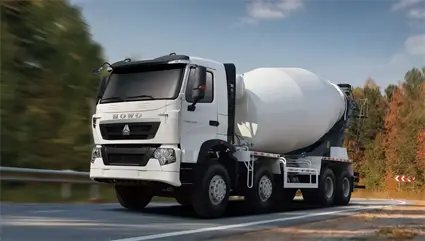
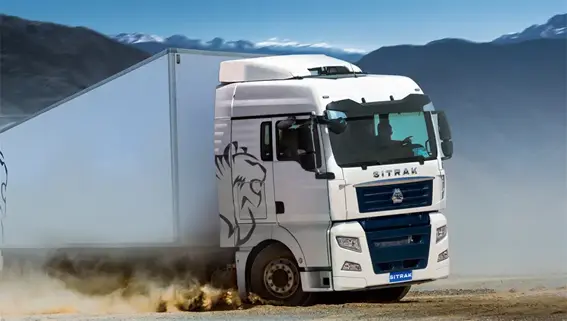
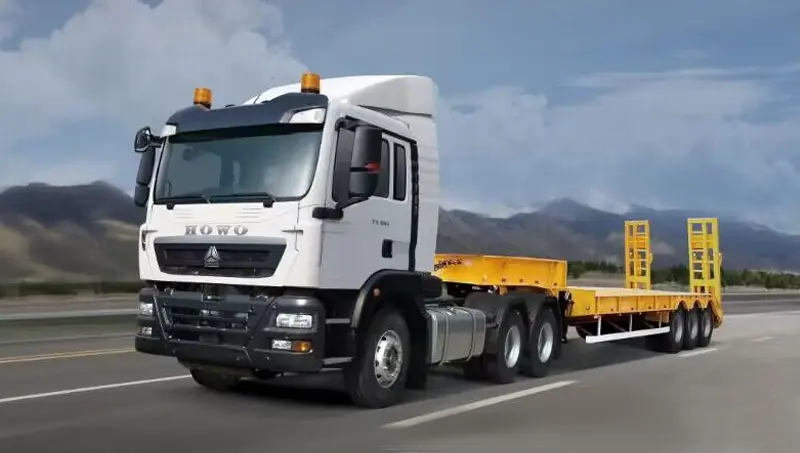
china uzbekistan trucking – sinotruk howo trucks

china uzbekistan trucking – sinotruk howo trucks

china uzbekistan trucking – sinotruk howo trucks
The equipment question is where the conversation is shifting. And on that question, sinotruk and its howo brand occupy a position that is difficult to ignore—not because electric trucks have suddenly replaced diesel on the corridor, but because the first howo electric trucks are already moving into Uzbek fleet operations while the TIR network expands around them.
The First HOWO Electric Units Are Already in Uzbekistan—Not in a Brochure
An Uzbek buyer has already taken delivery of howo electric trucks, not as a pilot loan or a demonstration unit, but as part of a commercial order that also included conventional diesel vehicles. The electric units are operating in the same procurement channel, under the same customs and homologation framework, as the diesel trucks that dominate the corridor today.
Sinotruk’s export channels reinforce that pattern. The howo TS7-E pure electric tractor, a lithium iron phosphate battery model supporting fast charging and quoted at 200–300km of loaded range, lists Uzbekistan among its stable export destinations alongside Nigeria, Pakistan and Bangladesh. The TS7-E is positioned for container and curtain-side semi-trailer work—the trailer types that actually run on the china-uzbekistan trucking corridor—and its specifications are written around the conditions those routes impose: high-temperature, dusty and uneven road environments, with waterproof and dust-proof testing on core electrical components. This is not a European-market electric tractor adapted for export. It is an export electric tractor specified for Central Asian road and climate conditions.

Howo TS5 4×2 Electric Tractor Truck

Howo TS5 4×2 Electric Tractor Truck-3

SINOTRUK HOWO TS7-H refrigerated lorry with a white insulated body, designed for efficient cold chain logistics.
Why Uzbekistan’s Policy Environment Makes Electric Trucks a Live Option
The commercial logic for electric trucks on the Uzbekistan side of the corridor is being shaped less by charging infrastructure—which remains thin on cross-border segments—than by import economics. Uzbekistan has maintained zero or near-zero import duty on electric vehicles since 2022, against 15–30 percent duty plus excise on diesel trucks. For a heavy truck, that differential is worth US$15,000–40,000 at the point of import. New electric vehicles also benefit from VAT and excise exemptions under measures introduced in 2025, alongside subsidised loan rates for electric vehicle purchases.
For a Uzbek fleet operator comparing a howo electric dump truck or tractor against a diesel equivalent, the landed cost gap is no longer a rounding error. The policy stack does not make electric trucks cheap in absolute terms, but it narrows the total-cost-of-ownership calculation to a point where daily duty cycle and energy cost become the decisive variables rather than sticker price. And on the corridor’s Uzbekistan-side operations—aggregate yards, construction sites, port and terminal shuttles, and fixed depot-to-depot runs—those variables are predictable in a way that cross-border long-haul routes are not.

Sinotruk V7-X EV 6×4 Electric Tractor Head

Sinotruk V7-X EV 6×4 Electric Tractor Head
The Corridor Is Not Yet Electric—and the Truck Makers Know It
It would be inaccurate to describe the china-uzbekistan trucking corridor as electrified. The first 5,000km of a recent CEVA Logistics low-carbon run from Shenzhen to the Kazakhstan border used a heavy-duty electric truck on the China leg, supported by nine strategic charging stops and China’s dense commercial-vehicle fast-charging network; at the border, the cargo was transferred to a diesel vehicle for the Central Asian segment, where charging infrastructure does not yet exist at the required density. The model is deliberately phased: electric where the grid and charging density support it, diesel where they do not.
That phased architecture is precisely where howo electric trucks fit into the Uzbekistan story today. They are not being positioned as transcontinental corridor haulers. They are being deployed in the segments where the truck returns to a fixed base every shift—construction and aggregate work, municipal and site-transfer duty, and depot-to-depot freight that can be served by overnight charging or a battery-swap point. The 20-unit delivery to Uzbekistan included electric dump trucks, a vehicle category matched to exactly those duty cycles. The TS7-E electric tractor’s 200–300km loaded range is quoted for “daily logistics transfer,” not for multi-day cross-border runs.

Howo TS 4×2 Electric Tractor Head

Howo TS 4×2 Electric Tractor Head

Howo TS 4×2 Electric Tractor Head
Sinotruk’s Structural Advantage Is Not the Battery—It Is the Footprint
The more consequential factor for howo’s electric prospects in Uzbekistan is not a single model’s specification sheet. It is the density of the sinotruk ecosystem already in the country. Sinotruk operates a joint-venture production base in Samarkand, and howo trucks are an established incumbent in the Uzbek heavy truck market rather than a new entrant. That footprint means an electric howo truck delivered to an Uzbek fleet is not an orphan product supported by a distant export desk. It sits inside a service and parts network built around diesel howo trucks that already run on the corridor.
For a fleet operator weighing an electric truck against a diesel one, that after-sales layer is not ancillary. On a construction site or an aggregate yard, an electric drivetrain that fails without a local technician and a stocked part is a stranded asset, regardless of its import-duty advantage. Sinotruk’s existing local assembly and service presence shortens that risk in a way that a pure-export electric brand cannot replicate quickly. The electric howo trucks entering Uzbekistan are riding on a support infrastructure that was built for the diesel fleet—and that is a quieter but more durable advantage than any single model’s range figure.

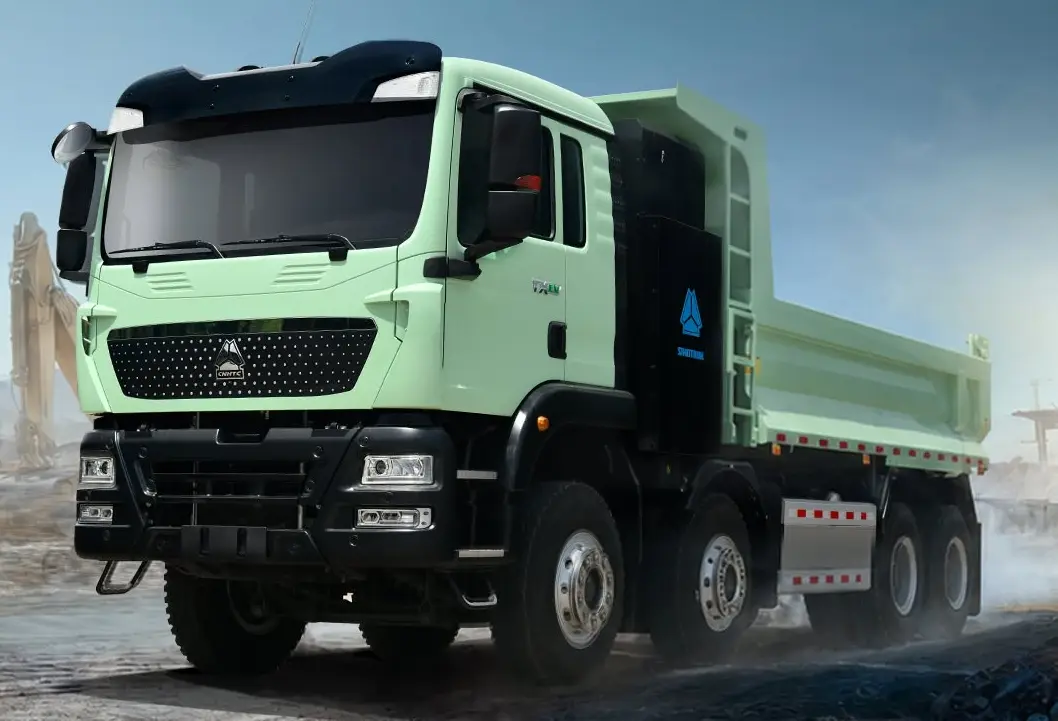
Sinotruk V7-X EV 8×4 Electric Tipper Truck

Sinotruk V7-X EV 8×4 Electric Tipper Truck
What to Watch
The next signal on this corridor is not another route announcement. It is the utilisation pattern of the electric howo units already delivered: whether they accumulate hours in aggregate and construction duty at a rate that justifies repeat orders, and whether Uzbek fleets begin specifying electric howo tractors for fixed depot-to-depot runs as charging points are installed at their own bases. The TIR lanes from Yiwu, Xi’an and Shenyang have expanded the demand side of the china-uzbekistan trucking equation. The supply side—sinotruk howo electric trucks, backed by a local production and service footprint—is already positioned inside the market. The question now is how quickly the duty cycles that electric trucks can serve actually scale on the ground.




SINOTRUK HOWO