

SINOTRUK HOWO


en

Uzbekistan’s electric commercial vehicle push is no longer only about passenger cars. From May 2026, the government introduced a capped charging price of 300 UZS/kWh for users at charging stations, and it has been expanding the charging network with a target of 4,000 stations alongside reduced interest rates for EV loans. For a fleet operator running predictable daily kilometres, a capped electricity price changes the total-cost-of-ownership calculation directly.
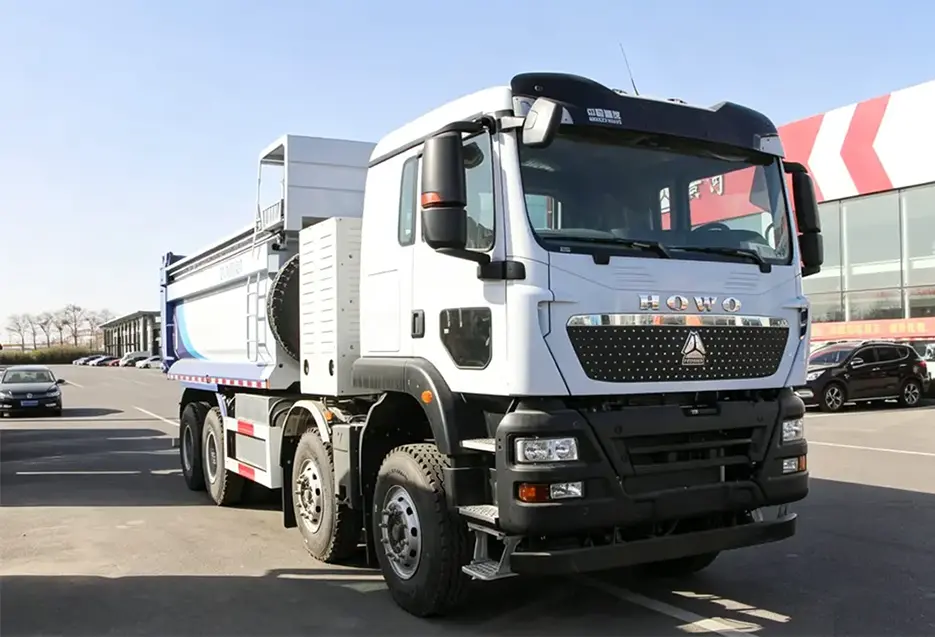

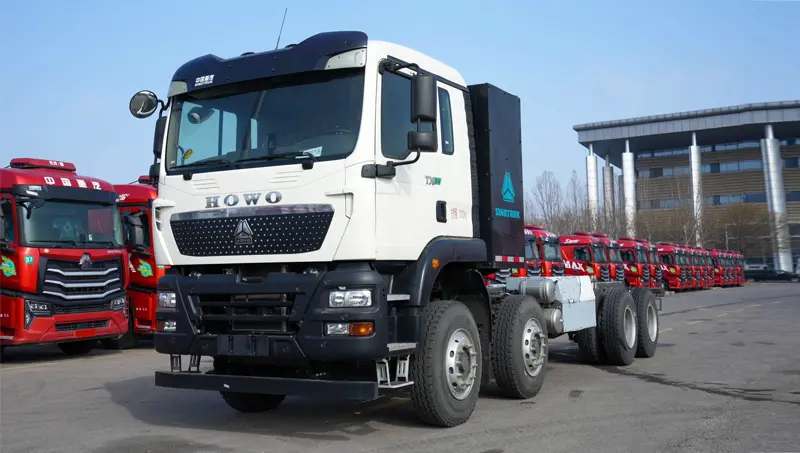
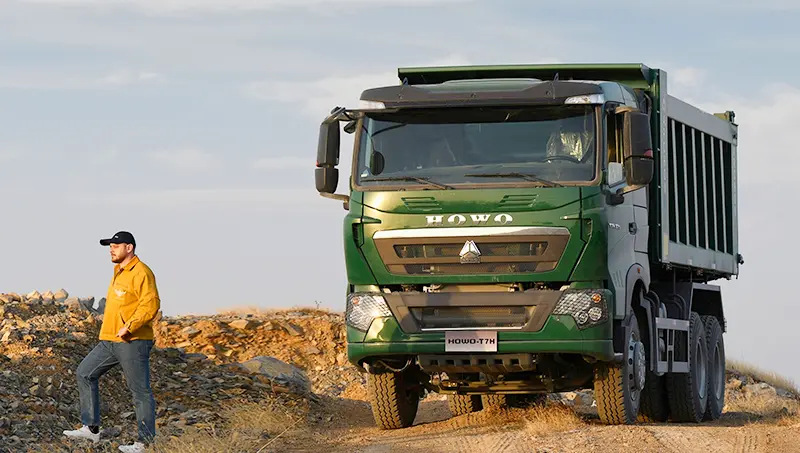
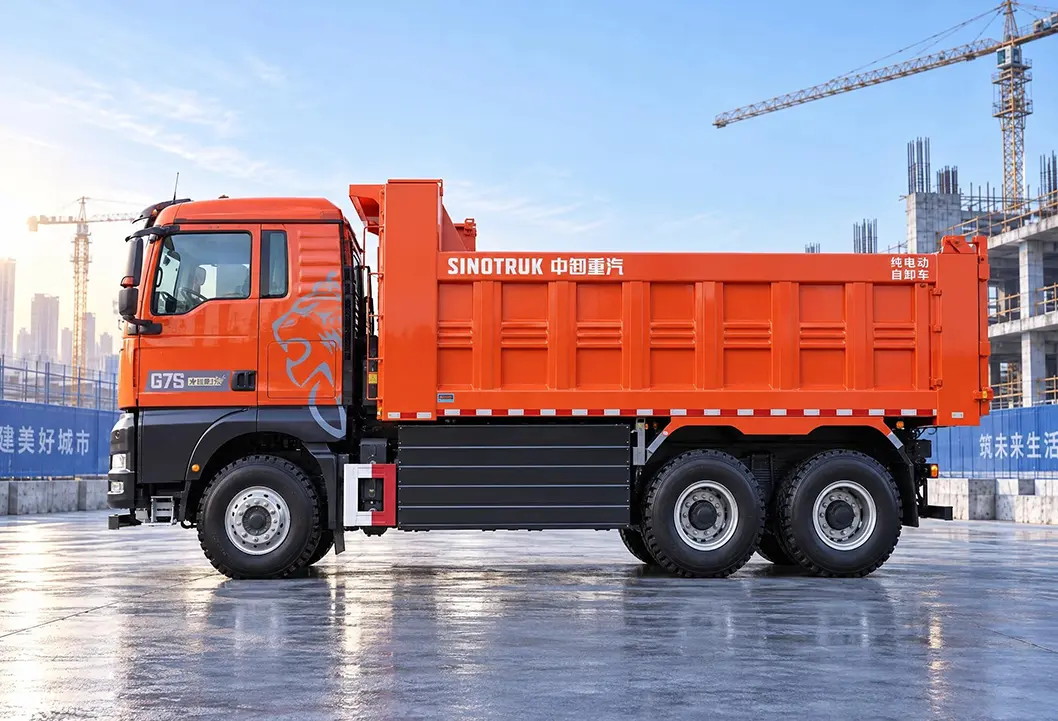
The supply side has already responded. Sinotruk’s special-vehicle manufacturing system has confirmed a batch delivery of 20 modified dump trucks to Uzbekistan, and the shipment explicitly included electric dump trucks alongside diesel units. Separately, local listings in Uzbekistan show electric Howo dump trucks being offered in the local market, confirming that the product is not a concept brochure item but an actively traded asset.


Uzbekistan’s electric commercial vehicle push is no longer only about passenger cars. From May 2026, the government introduced a capped charging price of 300 UZS/kWh for users at charging stations, and it has been expanding the charging network with a target of 4,000 stations alongside reduced interest rates for EV loans. For a fleet operator running predictable daily kilometres, a capped electricity price changes the total-cost-of-ownership calculation directly.
The supply side has already responded. Sinotruk’s special-vehicle manufacturing system has confirmed a batch delivery of 20 modified dump trucks to Uzbekistan, and the shipment explicitly included electric dump trucks alongside diesel units. Separately, local listings in Uzbekistan show electric Howo dump trucks being offered in the local market, confirming that the product is not a concept brochure item but an actively traded asset.
In other words, Howo electric trucks are already in Uzbekistan. The question for a buyer is not whether they exist, but which model matches the payload, route length, and charging rhythm of a specific operation.
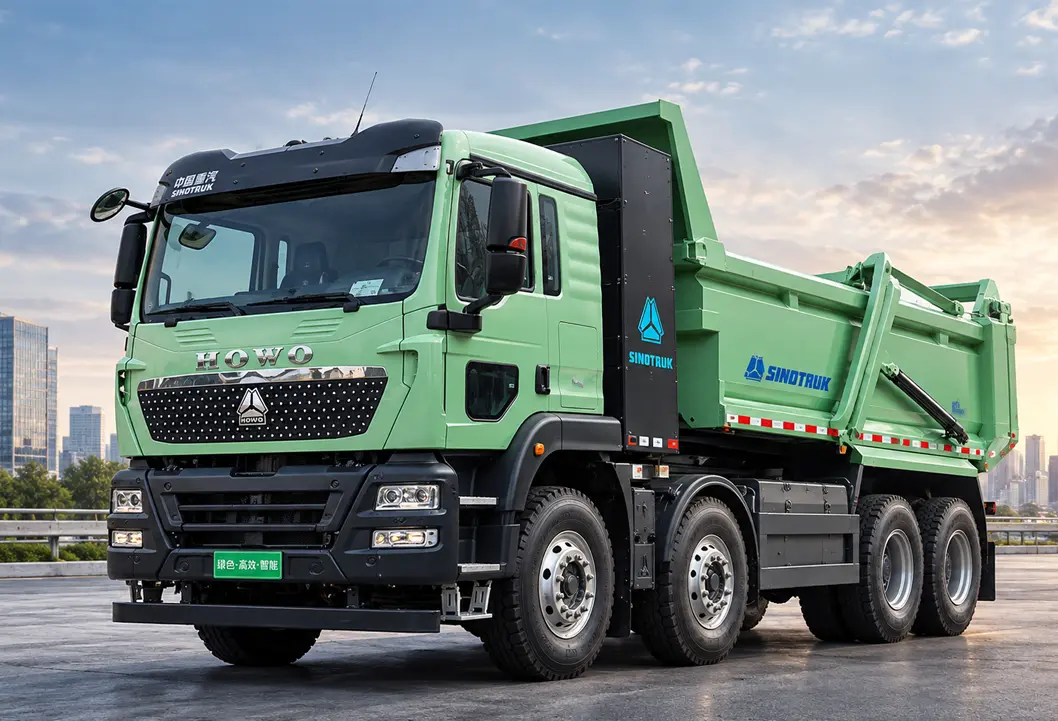

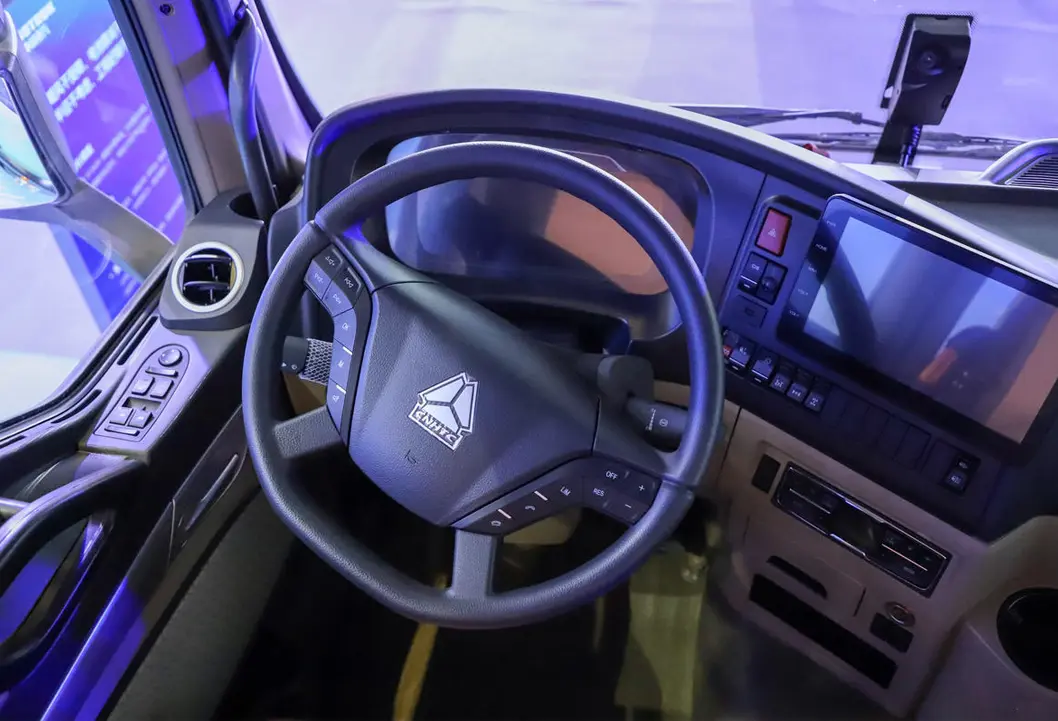
The table below summarises the core electric models in our lineup, with the specifications that matter for Uzbek operating conditions. Every model listed links to its detailed specification page on this site.
| Model | Drive / Body type | Battery capacity | Key operating signal |
|---|---|---|---|
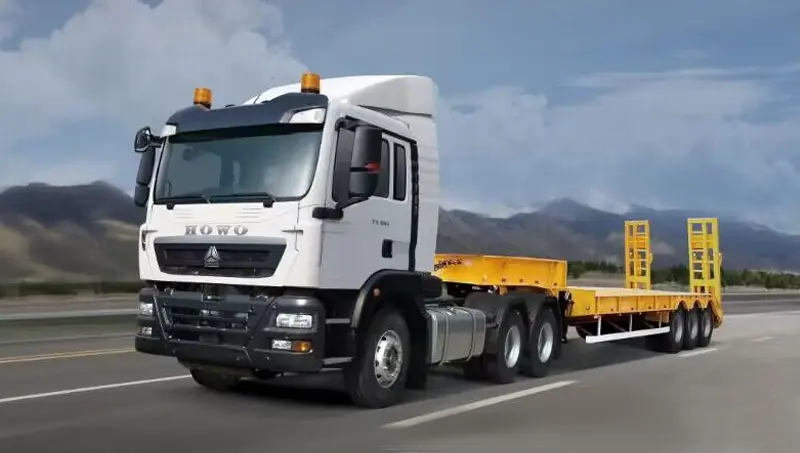
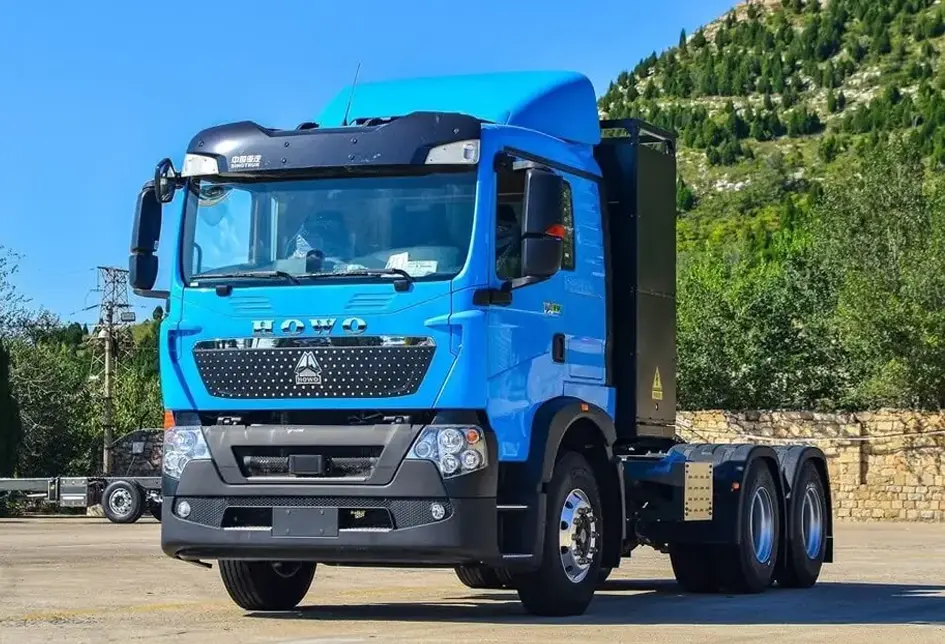
| Howo TX Pure Electric Tractor Head | 6×4 tractor | 422.87 kWh (423 kWh) | The volume electric tractor for regional distribution and port/terminal haulage |
| Howo V7-X 6×4 Electric Tractor Truck | 6×4 tractor | 282–601 kWh (CATL LFP) | Battery-swap and charge variants; flexible for high-utilisation fleets |
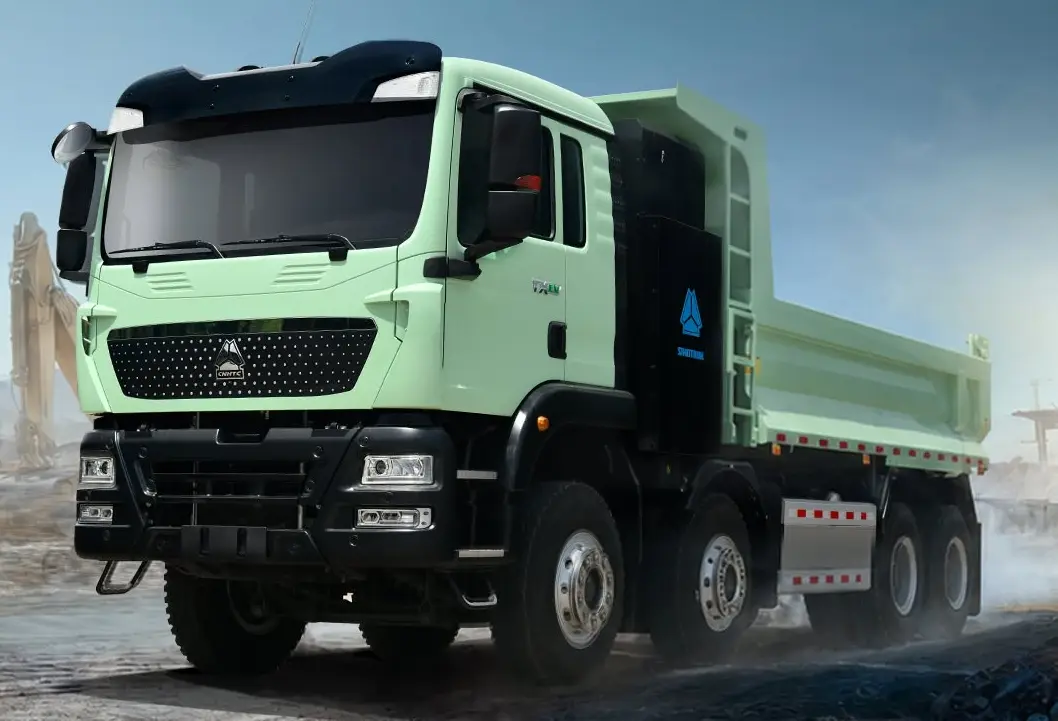
| Howo V7-X 8×4 Electric Dump Truck | 8×4 dump | CATL battery, capacity variant dependent | Construction and quarry work where gradeability and body strength dominate |
| HOWO TX Pure Electric Dump Truck | 6×4 dump, 31 t GVW | Specification-page dependent | Standard electric tipper for aggregate and construction logistics |
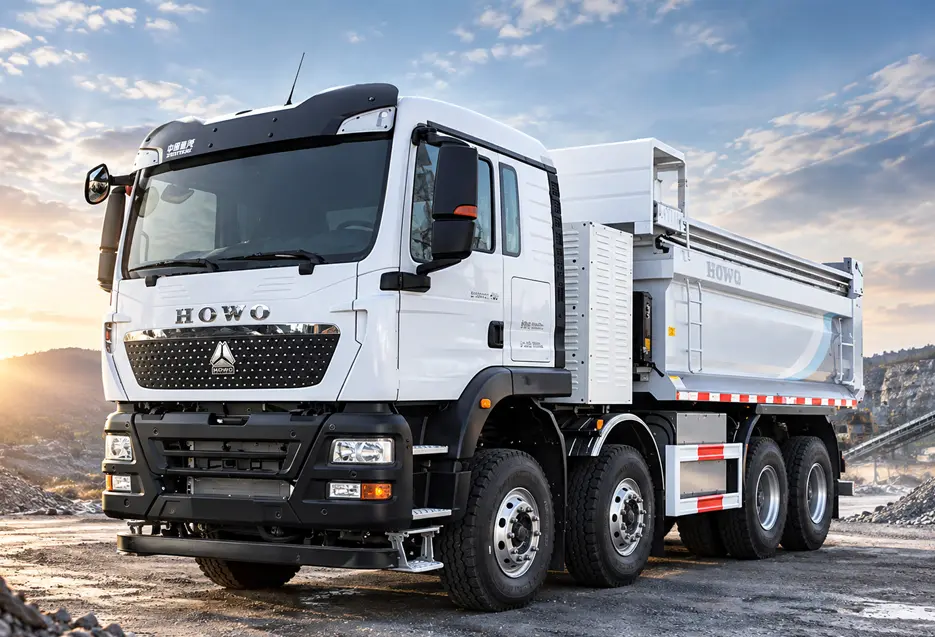
| Howo TX 8×4 Electric Tipper Truck | 8×4 tipper, 31 t GVW | Specification-page dependent | Higher payload retention for heavy tipper cycles |
| Howo TS New Energy Dump Truck | Heavy mining dump | 600 kWh, 600V platform | 816 hp, 94.51% regenerative recovery; designed for continuous mining cycles |
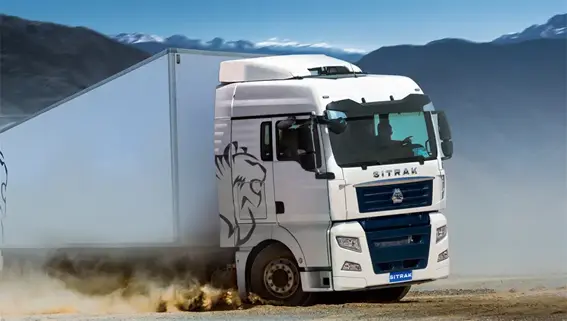
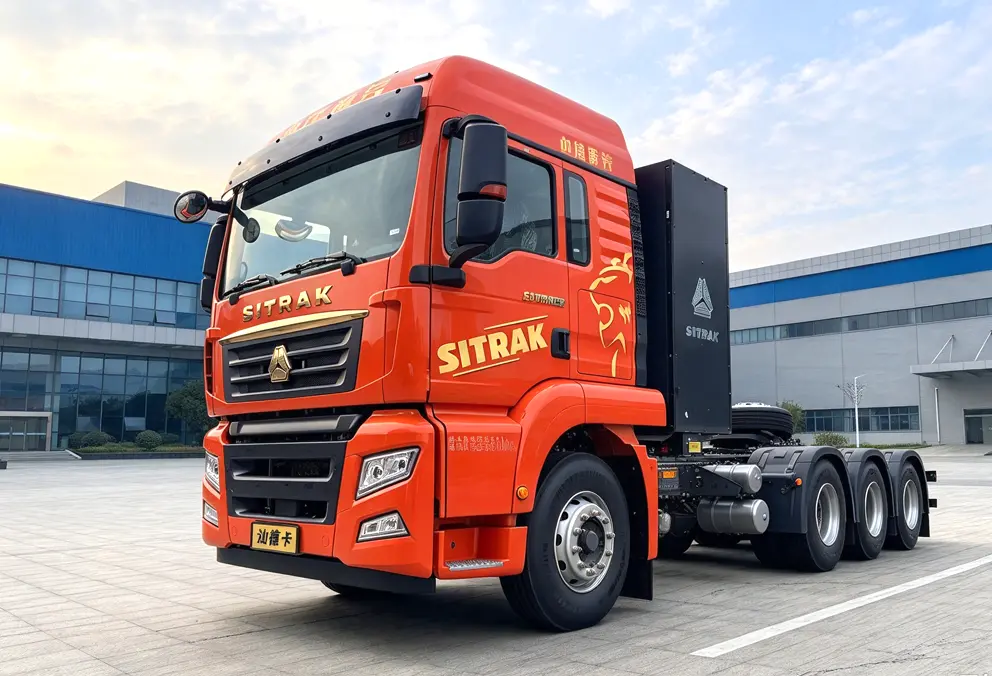
| Sitrak G7M 6×4 Battery Electric Tractor | 6×4 tractor, 36.67 t GVW | 400 / 528 / 600 kWh LFP (CATL) | Premium MAN-technology chassis; 300–450 km combined range under standard load |
| Howo NX 6×4 Electric Tractor Truck | 6×4 tractor | CATL pack, model variant | Entry-point electric tractor; dual-gun fast charging supported |
| Howo 4.15M Light-Duty Electric Lorry | 4×2 light lorry, 6.605 t payload | Specification-page dependent | Urban distribution and last-mile freight inside Tashkent and regional capitals |
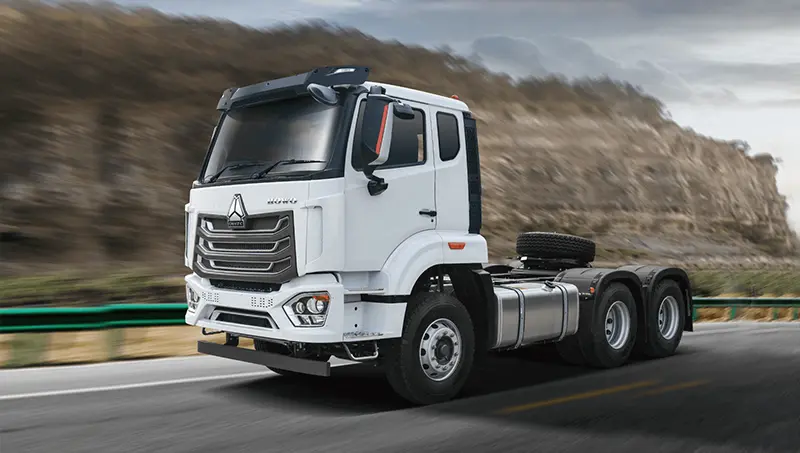
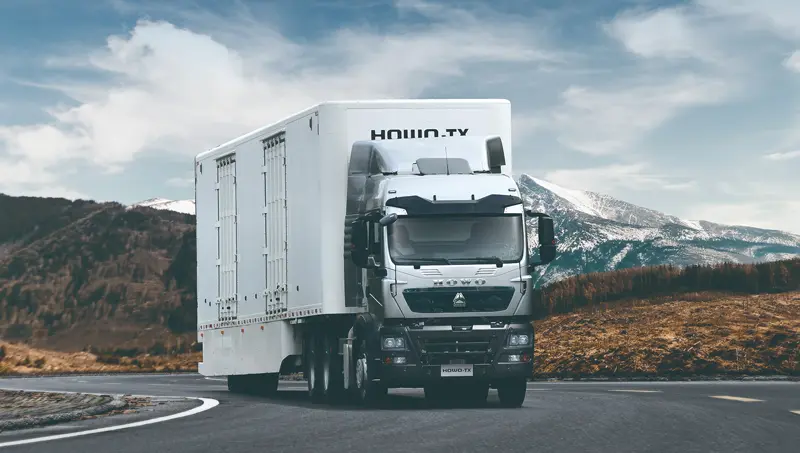
The HOWO TX 6×4 electric tractor with 423 kWh is the most straightforward entry point for regional logistics. A comparable 422.87 kWh LFP pack in the Sinotruk ecosystem is rated for a factory range in the region of 310 km, which covers a Tashkent–Samarkand–Jizzakh type corridor only if a mid-route or destination charging opportunity is built into the schedule. For shorter shuttle work—Tashkent ring-route distribution, terminal-to-warehouse transfers, or industrial estate cycling—the 423 kWh TX does not need en-route charging at all.
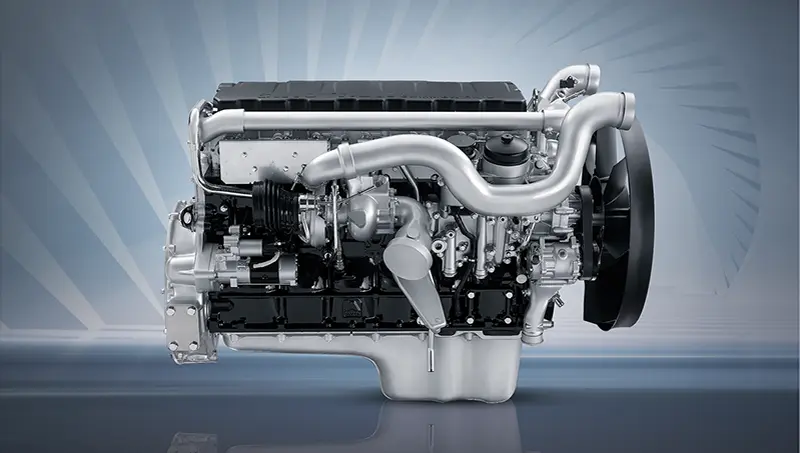
The HOWO V7-X series is where the lineup becomes operationally flexible. The V7-X 6×4 tractor is offered with battery capacities spanning 282 kWh to 601 kWh, using CATL LFP cells. A 400 kWh variant has been reported with a real-world fast-charge window of 20% to 80% in approximately 45 minutes. For a fleet that can accept a mid-shift charging stop, that is a workable duty cycle. For a fleet that cannot, the larger-capacity variants push usable range closer to a full shift on lighter routes.
If the application is mining or heavy quarry haulage, the TS New Energy Dump Truck is a different category of machine. A 600 kW flat-wire motor produces a combined 816 horsepower, and the 600 kWh battery is paired with regenerative braking that recovers 94.51% of downhill energy. In open-pit work where loaded trucks climb out of the pit and return empty, regeneration is not a marginal benefit—it is a structural operating-cost advantage that diesel powertrains cannot replicate.


Three practical differences separate an electric Howo from a diesel Howo on an Uzbek site.
First, the fuel line item becomes an electricity line item, and the 2026 charging cap gives that line item a ceiling. At 300 UZS/kWh, the per-kilometre energy cost for a heavy electric truck becomes predictable in a way diesel is not, especially for fleets exposed to fuel-price movement. The caveat is that the charging station must be operational and grid-connected at the contracted capacity; Tashkent authorities temporarily disconnected over 100 charging stations in March 2026 for documentation and grid-overload reasons, so verifying the charging counterparty is as important as verifying the truck specification.
Second, payload and route design become co-dependent. An electric tractor with a 423–528 kWh pack carries a battery mass penalty relative to a diesel tractor. On Uzbek corridors where gross vehicle weight limits and axle-load enforcement are applied, the operator must match the battery size to the legal payload the route can actually support, not simply choose the largest pack available. The V7-X and Sitrak G7M families offer multiple capacity steps precisely because no single battery size fits every payload-and-range combination.
Third, service and parts proximity are not optional. Electric trucks are simpler in the drivetrain but entirely dependent on high-voltage diagnostics and battery-health management. Uzbekistan already has an established HOWO commercial presence, including HOWO CENTRE in Tashkent and distributors that identify themselves as official dealers for HOWO/Sinotruk. A buyer evaluating a Howo electric truck for sale in Uzbekistan should confirm that the selling channel has access to Sinotruk’s electric-specific diagnostic tools and battery service procedures, not only conventional diesel parts.


A specification conversation for this market should start with four numbers, not with the truck model.
Daily kilometre band: under 150 km, 150–250 km, or 250 km+. This determines whether a 282–350 kWh V7-X pack, a 423 kWh TX pack, or a 528–601 kWh G7M/V7-X pack is the rational starting point.
Payload and body type: tractor, tipper, or light lorry. The electric tipper and tractor families have different chassis and axle ratings; matching the body to the legal payload is non-negotiable.
Charging opportunity: depot-only charging, destination charging, or en-route DC fast charging. The TS and V7-X platforms support high-rate charging, but the site’s grid connection determines whether that capability can be used.
Regenerative duty: flat urban routes capture less regen benefit than pit-to-crusher or loaded-up/empty-down cycles. The TS dump truck’s 94.51% recovery figure is most valuable where elevation change is part of every trip.
For most first-time electric buyers in Uzbekistan, the HOWO TX 6×4 electric tractor at 423 kWh and the V7-X 6×4 electric tractor in the 282–400 kWh range are the lowest-risk entry points. They cover depot-charged shuttle and regional distribution without requiring a public fast-charging network to be fully built out along the route. Fleets with heavier payload requirements should step up to the Sitrak G7M 528 kWh or V7-X 601 kWh variants, accepting the higher purchase price in exchange for a duty cycle that does not depend on mid-shift charging.
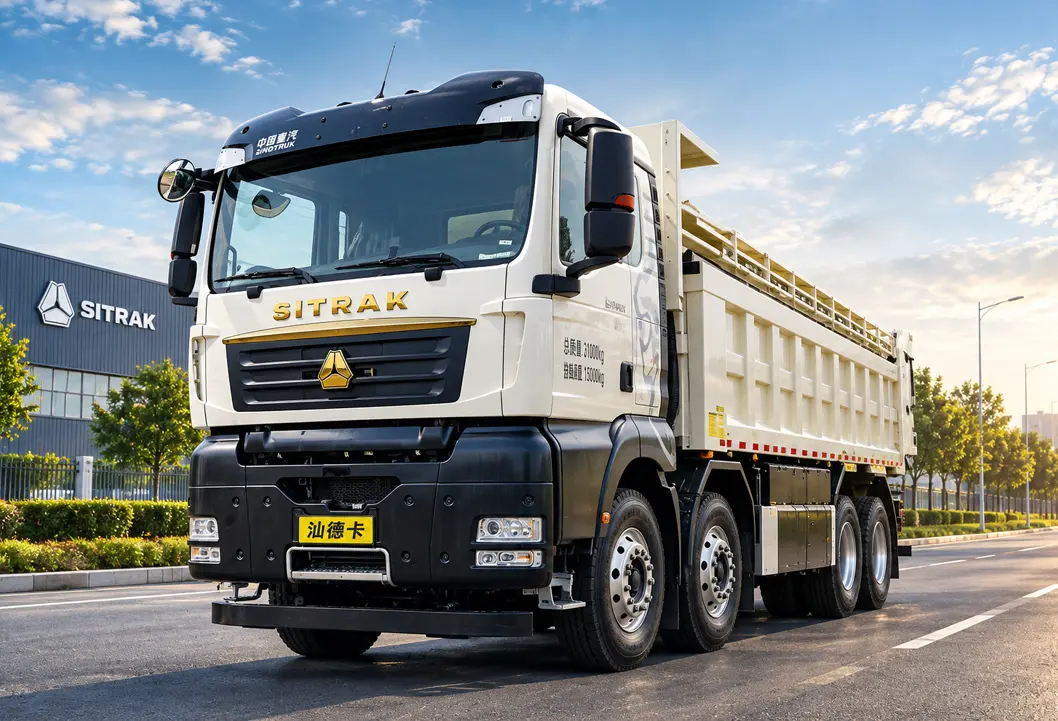
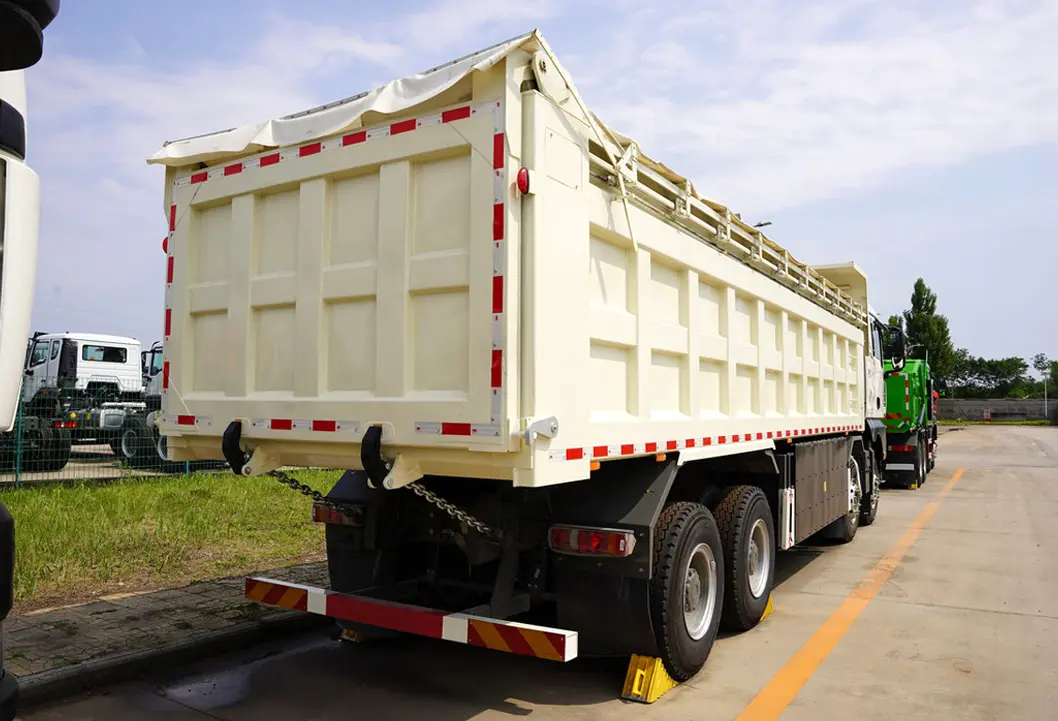

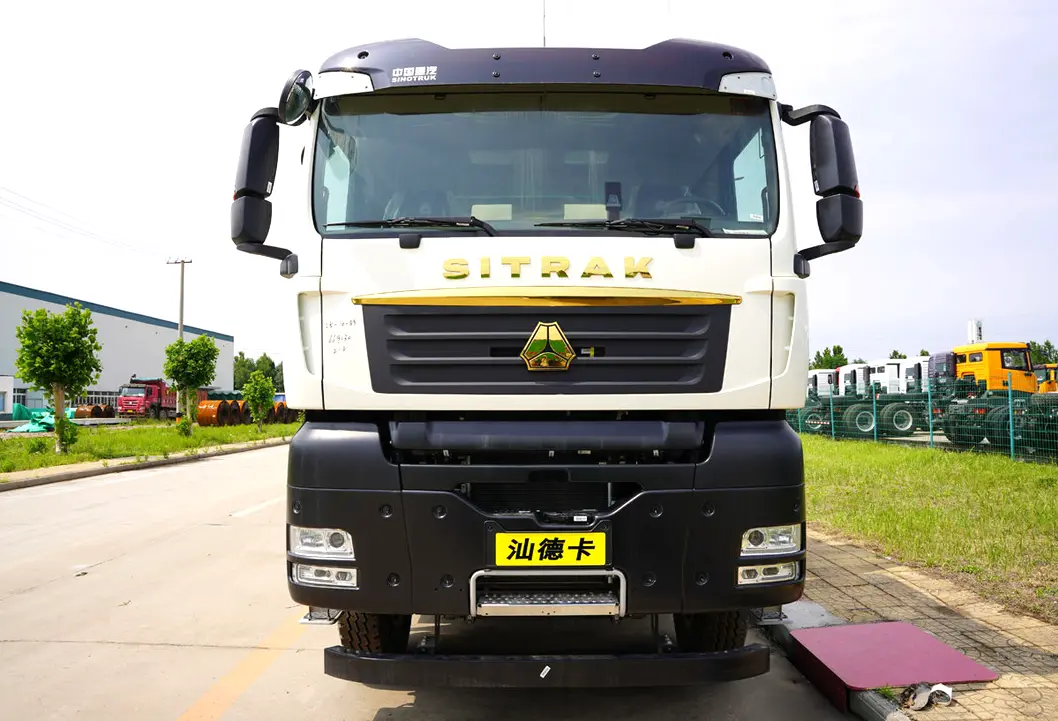
The models above are a working subset of the Sinotruk HOWO electric portfolio. The complete range, including battery-swap variants, tipper chassis options, and light-duty electric lorries, is listed on our dedicated HOWO Electric Trucks page, with model codes, wheelbases, and battery specifications for each entry.
If you are evaluating a Howo electric truck for sale in Uzbekistan for a specific route, payload, or charging setup, the most useful next step is to send those four operating numbers—daily kilometres, payload, body type, and charging location—through the enquiry channel on the product page. The response can then be matched to the correct battery capacity and drivetrain configuration from the current Sinotruk electric lineup, rather than a generic quotation that may oversize or undersize the vehicle.



SINOTRUK HOWO